Peptides have become a buzzword in biochemistry, skincare, and pharmaceutical research, yet many people still ask: “What is a peptide?”
Whether you are a researcher looking into the latest synthesis techniques or a student exploring biochemistry, understanding the fundamental structure and function of peptides is essential. This guide covers the definition of peptides, how they differ from proteins, their classification, and the history of their discovery.
What is a Peptide?
At its simplest, a peptide is a biological molecule consisting of two or more amino acids linked together by a specific type of chemical connection called a peptide bond.
The word “peptide” is derived from the Greek word péssin, which means “to digest.” They are naturally occurring biological signaling molecules found in all living organisms, from humans to single-celled bacteria.
🔬 The Chemistry Corner
Technically, a peptide is defined as a chain of 2 to 50 amino acids. Once the chain exceeds 50 amino acids, it typically folds into a complex 3D structure and is reclassified as a protein.
The Chemistry of Peptides
Peptides are building blocks of life, acting as smaller versions of proteins.
Amino Acids: These are the individual units.
Peptide Bonds: This is the covalent bond (CO-NH) formed when the carboxyl group of one amino acid reacts with the amino group of another, releasing a water molecule in a process called a condensation reaction.
When these bonds link multiple amino acids, they form an amide molecule (or peptide).
Peptides vs. Proteins: What is the Difference?
A common question in biochemistry is distinguishing between peptides and proteins. Both are made of amino acids, so where is the line drawn?
The primary difference is size:
While “50 amino acids” is the standard cutoff, there are exceptions. For example, insulin is a small protein often referred to as a peptide, while amyloid beta is a long peptide that aggregates like a protein.
How Are Peptides Formed?
Peptides are created in two main ways: naturally within living organisms or synthetically in a laboratory.
1. Natural Formation
Ribosomal Peptides: Produced by the ribosome—the cellular machinery that translates mRNA into amino acid chains. These often function as hormones and signaling molecules (e.g., opioid peptides, pancreatic peptides).
Non-Ribosomal Peptides: Assembled by specific enzymes rather than the ribosome. These are common in plants and fungi and often have complex cyclic structures (e.g., Glutathione).
Digestion (Milk/Meat Peptides): Formed when enzymes break down larger proteins (like casein in milk) into smaller peptide fragments known as peptones.
2. Synthetic Peptide Synthesis
In the lab, scientists can create peptides with precise sequences for research.
Solid Phase Peptide Synthesis (SPPS): The industry standard today. It allows for the rapid assembly of peptide chains on a solid support.
Liquid Phase Peptide Synthesis: An older method still used for specific large-scale production needs.
Brief History of Discovery
1902The Begining
Starling and Bayliss discover Secretin, the first hormone identified as a peptide.
1953First Synthesis
Vincent du Vigneaud synthesizes Oxytocin, proving peptides can be created in a lab. He later won the Nobel Prize.
TodayAI-Driven Discovery
Today, researchers use artificial intelligence (AI) to "predict" peptide structures that do not exist in nature, creating novel molecules with higher stability and specific therapeutic targets, such as Peptide Drug Conjugates (PDCs) used in precision oncology to deliver chemotherapy directly to cancer cells.
Classification of Peptides
Peptides are categorized by the number of amino acids they contain or their source.
By Size
| Term | Number of Amino Acids |
| Dipeptide | 2 amino acids |
| Tripeptide | 3 amino acids |
| Oligopeptide | Few amino acids (typically <10) |
| Polypeptide | Many amino acids (typically >10) |
By Structure & Source
Cyclic Peptides: Chains that form a ring structure rather than a straight line (e.g., Melanotan 2, PT-141).
Peptide Fragments: Short sections of a larger peptide or protein, often resulting from enzymatic degradation.
Peptide Mimetics: Synthetic molecules designed to mimic the behavior of natural peptides, often to improve stability or binding in research settings.
The Most Popular Peptides of 2026
Metabolic Regulation (GLP-1 Agonists)
Researchers are heavily investigating peptides that influence the incretin system and insulin secretion.
Growth Hormone Secretagogues (GHS)
These peptides are studied for their ability to signal the pituitary gland to release growth hormone without the side effects of administering exogenous HGH.
Tissue Regeneration & Angiogenesis
Certain peptides are being explored for their potential to influence cellular migration and vascular growth.
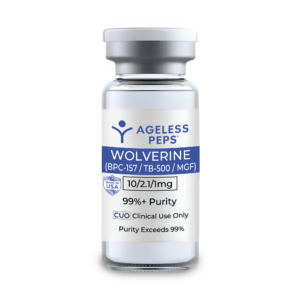
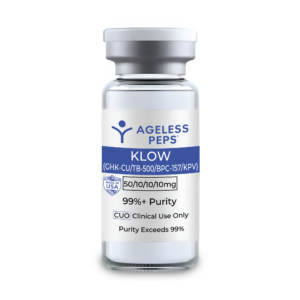
BPC-157 (Pentadecapeptide): A partial sequence of body protection compound. In vitro and in vivo studies examine its potential role in upregulating growth hormone receptors in fibroblasts and tendon cells.
TB-500 (Thymosin Beta-4 Fragment): Research focuses on its actin-sequestering properties, investigating how it may modulate inflammation and cellular motility in soft tissue models.
Dermal & Collagen Synthesis
Peptides in this category are studied for their interaction with dermal fibroblasts.
Key Peptide Terminology Glossary
To navigate the world of peptide research, familiarity with these terms is helpful:
Alpha-amino Acids: The specific type of amino acids that serve as the building blocks for peptides.
C-Terminus & N-Terminus: The two ends of a peptide chain. The “N-terminus” has a free amino group, and the “C-terminus” has a free carboxyl group.
Peptide Mapping: A technique used to determine the exact sequence of amino acids in a peptide, often using enzymes to break it into identifiable fragments.
Peptide Library: A large collection of different peptides used in high-throughput screening for pharmaceutical research.
Peptide Fingerprint: A unique pattern produced by mapping a peptide’s fragments, used for identification.